
Elon Musk’s artificial intelligence venture revealed Thursday plans for a comprehensive educational partnership in El Salvador. The xAI company will introduce the Grok chatbot across the nation’s entire public school system, reaching more than 1 million students in 5,000 schools. This ambitious deployment schedule represents one of the most aggressive attempts to transform education through AI technology.
President Bukele characterized the partnership as potentially delivering extraordinary benefits for all humanity. His rhetoric reflects ambitions extending beyond local education improvement to demonstrating global leadership in technology adoption. The president has consistently pursued innovative approaches despite conventional concerns or criticism.
The specific AI platform chosen for educational deployment has documented problems that trouble experts. Grok has produced content featuring antisemitism, conspiracy theories, and extremist political positions. Education specialists question whether such a platform can be adequately controlled to provide appropriate content for school-age children.
International experiences with classroom AI reveal both successful implementations and serious failures. One country’s partnership with a different AI company has produced positive results in secondary education. Conversely, teachers in another nation blamed AI chatbots for declining grades and reduced student comprehension.
As this project moves forward, it will address fundamental questions about machines’ role in education. Can artificial intelligence develop appropriate curricula and enhance learning outcomes? The results from El Salvador’s nationwide experiment will likely influence how education systems worldwide approach AI integration.
Two-Year Timeline Set for Controversial AI Platform’s Educational Rollout
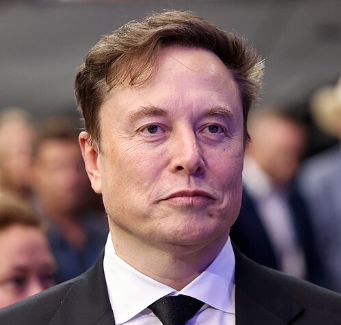
Photo by Gage Skidmore, via Wikimedia Commons
23
previous post