
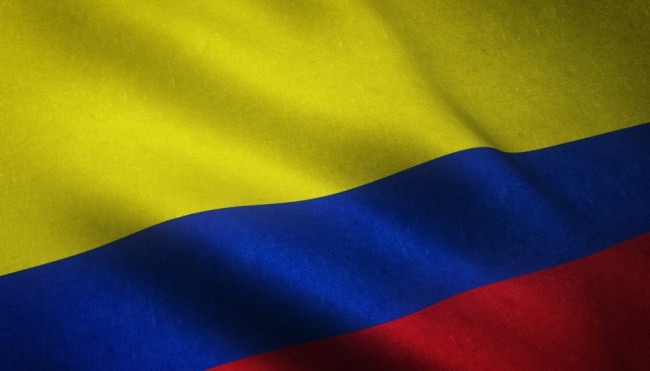
As Colombians prepare to cast their votes in the initial round of the presidential election, the atmosphere is charged with political tension, aggressive rhetoric, and instances of violence. The election is set to choose a successor to President Gustavo Petro, who is unable to run for a second consecutive term due to constitutional limits. To win outright in the first round, a candidate needs to secure over 50 percent of the valid votes. Failing that, a runoff between the top two candidates is scheduled for June 21.
The campaign trail has witnessed escalating polarization, with candidates and their backers resorting to personal attacks and hostile messaging, sidelining meaningful policy discussions. Alarm has been raised over political violence, which includes assaults on campaign offices and attacks targeting campaign staff, further complicating the electoral process.
Prominent candidates in the race include Iván Cepeda, Paloma Valencia, and Abelardo de la Espriella, considered the frontrunners as Colombians head to the polls. The increasingly hostile climate is drawing concern from observers who fear that it is eclipsing vital conversations about the pressing issues facing the nation. The proliferation of social media campaigns, misinformation, and divisive rhetoric has heightened public tensions and fostered a climate of distrust among competing political factions.
Experts caution that regardless of who emerges victorious, the incoming administration will inherit the daunting task of navigating a fragmented nation. Reestablishing political dialogue, rebuilding public trust, and promoting democratic coexistence are anticipated to be critical objectives for the next president of Colombia.
This election is being closely monitored both within Colombia and by the international community, as it serves as a crucial test of the country’s democratic institutions during a period marked by significant political polarization.