
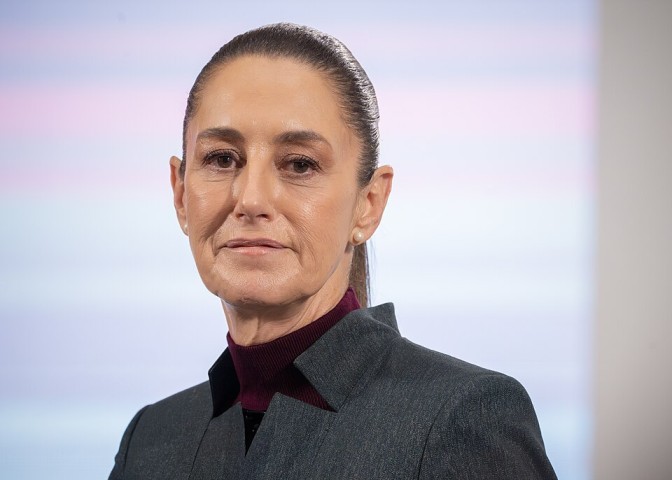
Amid growing scrutiny, Mexican President Claudia Sheinbaum finds herself under intensifying pressure following the surrender of two former high-ranking officials from Sinaloa state to U.S. authorities. Both officials, Gerardo Mérida Sánchez, the state’s former security minister, and Enrique Díaz Vega, the former finance minister, are affiliated with Sheinbaum’s Morena party. Mérida crossed into Arizona last week and was apprehended by U.S. marshals, while Díaz was detained in New York. Their arrests stem from charges linked to an indictment that also names Sinaloa Governor Rubén Rocha Moya, accusing them of facilitating the entry of illicit drugs into the United States in collaboration with the Sinaloa cartel.
Governor Rocha Moya has strongly refuted the allegations, labeling them as baseless. President Sheinbaum, on her part, has resisted extradition requests for Moya, demanding more evidence from U.S. officials. She has maintained a firm stance on preserving national sovereignty, denying any connections between her administration and organized crime. Asserting that Mexico will not shield any wrongdoers, Sheinbaum has also called for the U.S. to prioritize its internal challenges, particularly drug consumption and arms trafficking, before focusing on Mexico.
The voluntary surrender of Mérida and Díaz adds credibility to the U.S. Justice Department’s indictment, according to analysts. Eduardo Guerrero, a Mexican security expert, noted that the decision to turn themselves in suggests the accusations are substantial. With these officials now in U.S. custody, the likelihood of them providing critical information against Governor Moya increases, potentially bolstering the U.S. case against him. This development poses a significant threat to Sheinbaum’s ability to defend her party and her political allies, including Moya, who is closely associated with former President Andrés Manuel López Obrador.
Further complicating Sheinbaum’s position, Terry Cole, the Drug Enforcement Agency administrator, recently indicated that the indictment against Rocha Moya is merely the beginning. The New York Times reported that the Trump administration had directed federal prosecutors to leverage terrorism laws against corrupt Mexican officials. Aakash Singh, the associate deputy attorney general, emphasized the need to intensify efforts against officials enabling drug traffickers. This directive comes amidst tensions between Mexico and the U.S., exacerbated by revelations of unauthorized CIA operations in Mexico, including the reported assassination of a mid-level cartel member.
Sheinbaum’s relationship with Washington has been strained as U.S. authorities pursue current Mexican officials, including those from her Morena party. Despite previous concessions to U.S. demands, such as deploying troops to the border and extraditing cartel members, the recent escalation threatens to unravel bilateral ties. Former Mexican Ambassador Arturo Sarukhán warns that the situation is precarious, with the potential for more officials to cooperate with U.S. law enforcement, further destabilizing the Morena party and Sheinbaum’s administration.