
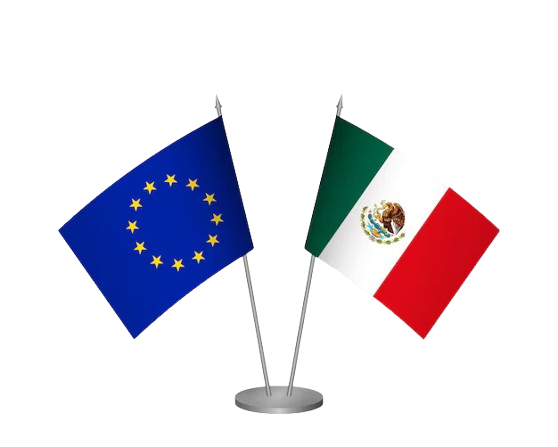
Seeking to diversify their economic partnerships beyond the United States, Mexico and the European Union have entered into an updated trade agreement designed to lower tariffs and broaden economic collaboration. This move comes in response to President Donald Trump’s tariff policies, which have prompted both regions to explore alternative trade alliances.
The agreement modernizes the trade framework initially established in 2000, aiming to dismantle remaining barriers to trade and investment. By enhancing market access, the pact is set to bolster business opportunities and solidify supply chains between Mexico and Europe. The automotive sector, particularly auto parts, stands to benefit significantly as it navigates the challenges posed by recent U.S. tariff actions.
Under the new terms, a variety of products will enjoy reduced tariffs and expanded duty-free access, including pasta, chocolate, potatoes, canned peaches, eggs, and certain poultry items. Mexico has also agreed to acknowledge European regional food products like Parma ham and Roquefort cheese, a move expected to enhance the export potential of European agriculture.
Mexican President Claudia Sheinbaum highlighted the importance of exploring new trade and investment opportunities, while European leaders hailed the deal as a means to enhance both regions’ competitiveness in the global marketplace. The European Union ranks as Mexico’s third-largest trading partner, following the United States and China, and officials anticipate that this updated agreement will strengthen economic links and attract increased investment between Europe and North America.