
The United States has introduced a fresh set of sanctions against Iran as well as entities maintaining business relations with Tehran, aiming to ramp up economic pressure on the Iranian regime. The US Treasury Secretary, Scott Bessent, revealed that these measures will broaden the application of secondary sanctions on countries, companies, and other entities involved in economic dealings with Iran. He cautioned that businesses persisting in their engagements with the Iranian government risk facing penalties from the US.
This strategy is designed to curtail Iran’s access to international funds and diminish its capability to finance government operations, without resorting to immediate military intervention. Although Washington has not imposed a specific timeline for nations or enterprises to cease their dealings with Iran, officials have signaled that the US’s tolerance is not indefinite.
Iran is grappling with worsening economic issues, as evidenced by the sharp decline of the Iranian rial and restrictions on oil exports, which have constrained one of its vital revenue streams. The imposition of sanctions could also strain relations with countries that maintain economic connections with Iran, including China, Russia, India, Pakistan, Qatar, and Turkey.
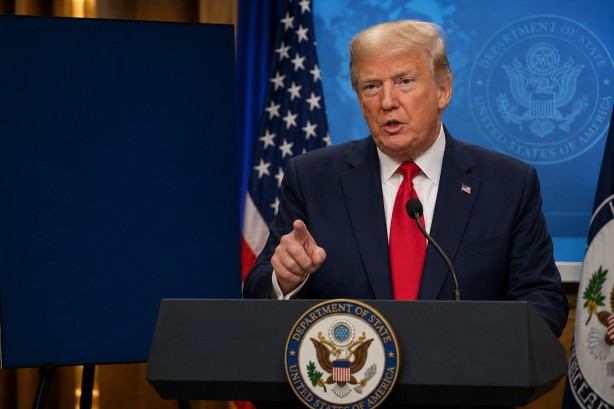
President Donald Trump has characterized Iran’s predicament as increasingly precarious, as Washington continues its efforts to forge a comprehensive agreement with Tehran, alongside separate negotiations related to the Strait of Hormuz. The success of the newly enacted sanctions largely hinges on the extent of compliance by other nations and businesses with the restrictions set by Washington and whether these measures effectively reduce Iran’s access to foreign income.